Innovative Architect Designs: Exploring the Value of Skilled Architecture Services
Creative architectural designs are instrumental in shaping today's built environments. Through emphasizing eco-conscious functionality, designers can craft areas that resonate with local requirements. Combining green materials and intelligent systems improves energy performance while promoting meaningful connections. As architectural concepts advance, they adapt to the needs of inhabitants and honor community identity. One must consider: how do these elements converge to revolutionize our metropolitan spaces and improve quality of life?
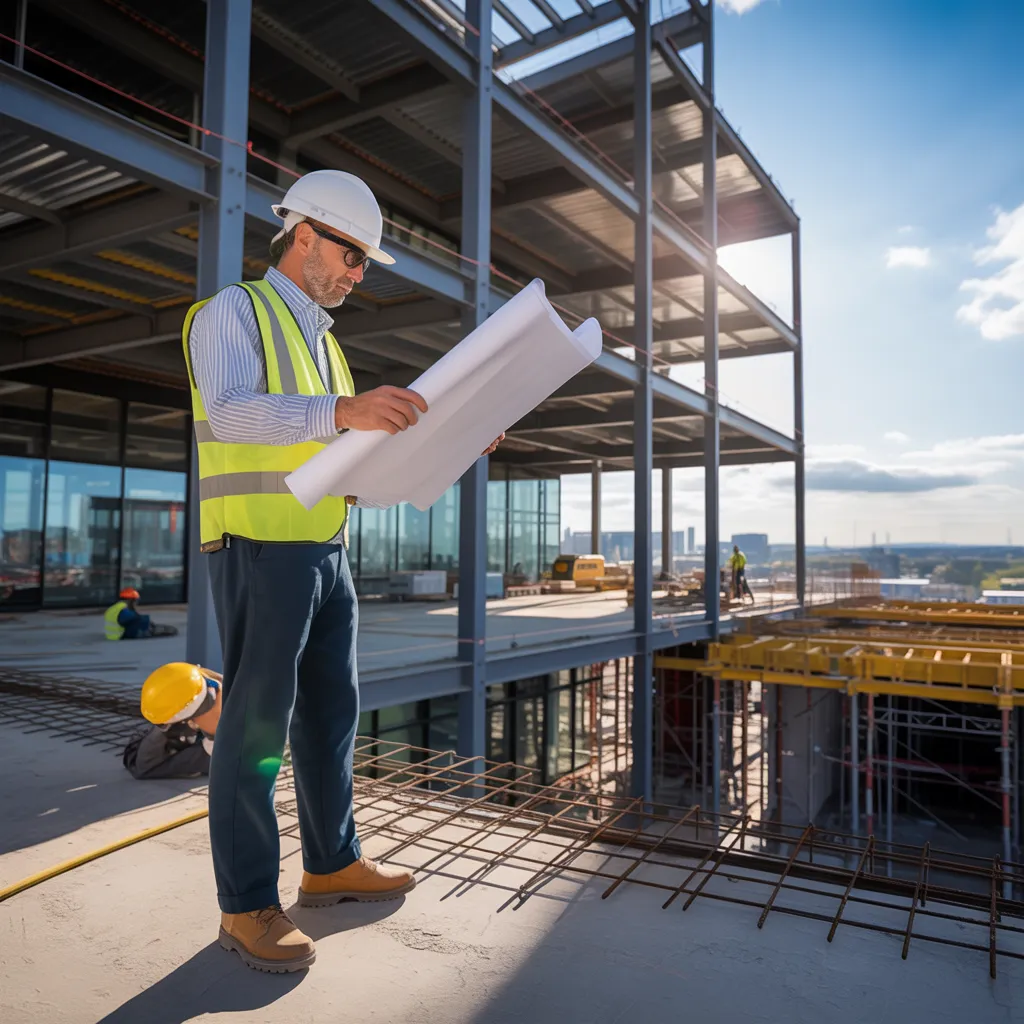
How Architects Contribute to Building Sustainable Spaces
Architects hold a pivotal role in the shaping of sustainable built environments, considerably affecting the environmental effect of architectural landscapes. Their knowledge enables the inclusion of green building materials, sustainable energy systems, and progressive design concepts that minimize resource consumption. By prioritizing sustainability, architects are able to develop structures that decrease environmental impact and improve energy efficiency.
Collaboration with technical experts and environmental consultants is essential in this process, making certain that both aesthetic and functional criteria are met by designs while upholding environmentally responsible methods. Moreover, architects consider the surrounding ecosystem, encouraging biodiversity and integrating natural features that establish a cohesive relationship between built and natural environments.
Through deliberate strategy, architects also advocate for the use of renewable energy sources, such as solar panels or wind turbines, which also supports sustainability aims. In the end, their role extends beyond mere construction; architects shape the future of urban landscapes by fostering a commitment to environmental stewardship and responsible design.
Top Innovations in Architectural Design That Enhance Functionality
A wide range of developments in modern architecture are reshaping how contemporary spaces operate. One significant breakthrough is the integration of smart technology, allowing buildings to adapt to users' needs through intelligent lighting, temperature regulation, and security features. This improvement leads to greater energy savings and enhanced occupant comfort.
Furthermore, modular construction techniques are gaining traction, enabling faster assembly and greater flexibility in design. Such constructions can be readily modified or scaled up, making them appropriate for numerous functions.
The concept of biophilic design, which weaves natural elements into architecture, promotes well-being and productivity, cultivating a bond between inhabitants and their environment.
Moreover, open floor plans have become increasingly popular, creating versatile spaces that can accommodate a variety of activities.
Lastly, eco-friendly materials are being employed not only for their eco-friendliness but also for their attractive appearance and resilience, improving the overall performance of contemporary buildings. Together, these advancements lead to more flexible and effective architectural designs.
How Design Connects Communities
Architecture holds significant importance in cultivating relationships within residential areas, creating spaces that encourage interaction and communication among community members. Carefully planned parks, open areas, and communal areas act as vital gathering spots, encouraging community interaction and a sense of belonging. Structural characteristics such as open layouts and versatile areas create opportunities for neighborhood gatherings and activities, enhancing the overall quality of life.
Moreover, designs that reflect local culture and traditions foster a unique identity, encouraging residents to feel a deeper bond with their surroundings. By focusing on accessibility and inclusivity, architects guarantee key information that all individuals, regardless of age or ability, can be involved in community life.
The inclusion of natural components, such as parks and leisure spaces, additionally elevates the neighborhood experience, offering residents a sanctuary and a space for collective recreation. At its core, deliberate architectural design not only transforms physical spaces but also strengthens the bonds that hold communities together.
Boosting Energy Efficiency Through Expert Architecture
A major transformation towards energy conservation is reshaping the building design landscape, fueling the development of groundbreaking solutions that reduce environmental impact. Skilled architectural expertise serve a vital function in this change by incorporating green methodologies into design. These design professionals evaluate energy consumption patterns and utilize cutting-edge materials, such as high-performance insulation and energy-efficient windows, to reduce climate control requirements.
Furthermore, the integration of renewable energy sources, like solar panels and geothermal systems, not only lowers dependence on fossil fuels but also reduces operational costs for building owners. Advanced building automation technologies continue to boost energy utilization, enabling real-time energy monitoring and usage adjustments.
Through detailed planning and forward-thinking design, professional architects create spaces that not only meet strict environmental requirements but also foster long-term sustainability. This emphasis on energy efficiency ultimately supports a healthier planet and more resilient communities, underscoring the vital role of architecture in addressing climate change.
Thriving Urban Landscape Makeovers
One notable example can be found in the revitalization of neglected waterfronts into vibrant leisure spaces, complete with cultural installations, walking paths, and green parks. These changes serve to enhance the landscape while also boosting regional economies by bringing in tourists and business opportunities.
Furthermore, successful urban development takes into account the particular characteristics of a district, confirming that every transformation embodies its history and culture. This customized strategy cultivates a sense of connection among local inhabitants, motivating care for the environment. Ultimately, impactful urban transformations showcase the ability of urban planning to reshape urban experiences and promote long-term urban sustainability.
What Does the Future Hold for Innovative Architecture?
How might forward-thinking architecture evolve to meet and respond to the shifting needs of modern society? As cities become progressively more complex, architects are called upon to confront significant challenges like sustainability, affordability, and social equity. Emerging technologies, including artificial intelligence and advanced materials, offer new avenues for design, enabling more efficient construction processes and enhanced energy performance.
Furthermore, architects are progressively collaborating with various stakeholders, from local communities to sustainability professionals, confirming that blueprints represent the goals and necessities of the people they serve. This collaborative method fosters resilience, allowing structures to adapt to evolving environmental conditions and community needs.
Additionally, the adoption of biophilic design principles supports wellness, linking residents to the natural world. As architecture continues to evolve, the emphasis on groundbreaking solutions will remain a top priority, inspiring the field to create spaces that are functional while also being transformative for future generations.
Answers to Your Most Common Questions
In What Ways Do Architects Collaborate With Engineers on Projects?
Engineers and architects work together by combining design principles with technical specifications, maintaining structural stability and operational efficiency. Frequent meetings enhance communication, enabling both fields to tackle obstacles and advance project success through combined expertise and forward-thinking strategies.
What Are the Expenses Involved in Hiring an Architect?
The fees related to employing an architect typically include design costs, project oversight fees, and possible extra charges for on-site visits or consultations. These expenses can differ significantly based on project complexity and location.
How Long Does the Architectural Design Process Typically Take?
The architectural design process generally requires several months, subject to the complexity of the project and client needs. Factors such as permitting, project revisions, and contractor management can further impact the total project duration, often extending the duration considerably.
Are Architects Able to Assist With Zoning and Permit Applications?
Yes, architects provide assistance with zoning and permit applications. Their knowledge helps manage intricate zoning regulations and establishes adherence to local building codes, making the process more efficient and improving the chances of gaining the essential approvals for projects.
What Qualities Should I Look for When Hiring an Architect?
When hiring an architect, it is important to prioritize qualifications such as relevant experience, proper licensing, educational background, effective communication abilities, and a portfolio showcasing creativity and problem-solving skills. Specializations may also be relevant depending on project needs.